But that same calcium-carbonate composition that gives limestone its beauty also makes it porous. Left unsealed, it absorbs water, oil, and everyday spills like a sponge.
The result? Permanent discoloration, dulling, and repair bills that could have been avoided with the right sealer applied at the right time. This guide covers the sealer types available, how to pick the correct one, application steps that actually work, and the maintenance routine that keeps limestone floors looking new for years.
Key Takeaways
- Limestone's porosity varies widely, so sealing needs depend on the stone, not a blanket rule
- Most limestone floors need penetrating sealers, which protect without trapping moisture
- A water-bead test tells you when to reseal, since timing varies by product and traffic
- More commercial facilities pair sealers with systems-level coatings to cut maintenance labor
Do Limestone Floors Need to Be Sealed?
Limestone forms primarily from calcite or aragonite, both calcium-carbonate minerals. That mineral structure creates a naturally porous surface, and the degree of porosity is anything but uniform.
The Natural Stone Institute reports that limestone absorption can range from less than 1% to more than 10%, depending on the specific quarry and stone density. Denser dolomitic limestone tends to absorb far less than softer, more porous varieties.
That range matters because it means you can't assume every limestone floor needs the same treatment. What you can assume is that untested, unsealed limestone carries real risk:
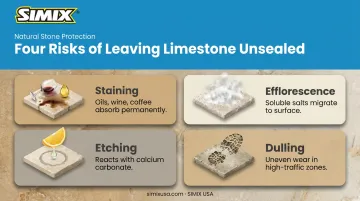
- Permanent staining from oils, wine, coffee, and other liquids that penetrate the stone's pores
- Efflorescence, a hazy white mineral bloom caused by soluble salts migrating to the surface as moisture evaporates
- Etching from acidic substances like citrus juice or vinegar, which reacts with the calcium carbonate itself
- Dulling and uneven wear in high-traffic zones where foot traffic grinds in dirt over time
Why Sealing Became Standard Practice
Older stone floors sometimes survived decades without sealer, largely because expectations around stain resistance were lower and cleaning products were gentler. Today's floors face harsher chemicals, heavier foot traffic, and homeowners who expect a spill to wipe away cleanly rather than leave a mark.
Sealing won't make limestone acid-proof, but it buys valuable time between a spill and permanent damage, often the difference between a quick cleanup and a costly repair.
Types of Limestone Floor Sealers
Sealers fall into two broad categories, and the difference comes down to where the product ends up: inside the stone or on top of it.
Penetrating (Impregnating) Sealers
These sealers soak into the stone's pores and bond internally, creating a barrier against water and oil while still letting vapor pass through. That breathability matters, especially in areas prone to ground moisture.
Key benefits:
- Eliminates surface film, leaving nothing to peel, scratch, or wear unevenly
- Preserves the stone's natural color and texture
- Suits floors, patios, and moisture-prone areas like entryways
Topical (Surface/Film-Forming) Sealers
Topical sealers sit on the surface, offering a finish choice (matte, satin, or gloss) and functioning more as an aesthetic upgrade than essential protection.
The tradeoff: these coatings can trap moisture underneath, and they tend to peel or wear thin under foot traffic and UV exposure. Skip them for wet areas, exteriors, and any high-traffic commercial space.
Color-Enhancing Sealers
These are penetrating sealers formulated to deepen and enrich the stone's natural tones, without leaving a topical sheen. They're a strong fit for feature walls or accent areas where a richer look matters more than color uniformity across a large expanse. On big floor areas, color consistency becomes harder to control, so reserve these for smaller, high-impact spaces.
| Sealer Type | Penetration | Appearance Impact | Breathability | Best Applications |
|---|---|---|---|---|
| Penetrating | Deep, into pores | Natural, no sheen | High | Floors, patios, wet areas |
| Topical | Surface only | Matte/satin/gloss finish | Low, can trap moisture | Interior accent areas, low-moisture zones |
| Color-Enhancing | Deep, into pores | Darkens/enriches tone | High | Feature walls, accent floors |
How to Choose the Best Sealer for Your Limestone Floor
Picking a sealer comes down to four practical factors: where the floor sits, what look you want, how much traffic it takes, and which formulation fits the job.
Location factor: Interior floors generally do well with water-based penetrating sealers. Exterior limestone, think patios and walkways, needs a formulation rated for UV stability and freeze-thaw cycles, since sun and moisture cycling stress the stone differently than indoor conditions ever will.
Finish preference: You're choosing between three looks:
- Natural matte finish that changes nothing visually
- Color-enhanced "wet" look for richer, deeper tones
- Satin or gloss topical sealer for easier surface cleaning (interior only)
Traffic level: Kitchens, entryways, and commercial lobbies see far more abrasion and spill exposure than a low-traffic guest room. Higher-traffic areas call for more durable protection and shorter intervals between resealing checks.
Formulation factor: Water-based versus solvent-based isn't as clear-cut as it used to be. MAPEI notes that the old assumption that solvent-based sealers always outperform water-based ones no longer holds, as current water-based technology can match or exceed solvent-based performance in many applications.
That said, solvent-based products still tend to penetrate deeper and require more ventilation during application, while water-based options cure faster with lower odor, better suited to occupied interior spaces.
For Commercial & High-Traffic Facilities
Facility managers running limestone lobbies, retail floors, or institutional spaces often need more than a periodic reseal. Traditional sealer maintenance still means stripping, waxing, and burnishing cycles that eat into labor budgets year after year.
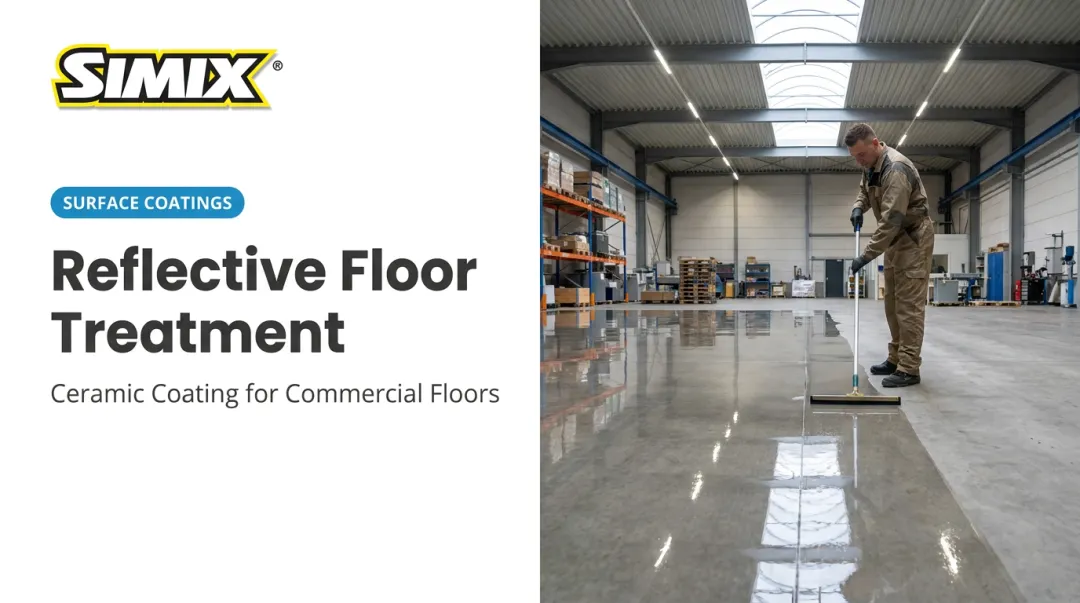
This is where systems-level protection starts to make sense as a complement to standard sealing. SIMIX's ceramic floor coating system, for example, is built to eliminate stripping and burnishing entirely on hard-surface floors like VCT, polished concrete, terrazzo, and tile, cutting annual floor maintenance time by 20-40%.
It's not a direct substitute for a limestone-specific penetrating sealer, since the two protect stone differently. But for facilities managing mixed flooring, it's worth a conversation with a technical specialist about where a ceramic coating approach fits alongside your existing limestone sealing plan.
How to Apply Limestone Floor Sealer: Step-by-Step
Application quality matters as much as product choice. Here's the process that avoids the most common failures.
Pre-seal before installation. Treat all six sides of the stone, or specify factory pre-sealed material, before it goes down. Custom Building Products' six-sided sealing method is designed to stop soluble-salt discoloration and the "picture framing" effect around tile edges before it ever starts.
Clean and fully dry the surface. Dust, grout haze, or trapped moisture becomes permanent once you seal over it. Give the stone ample drying time, especially after any wet installation work.
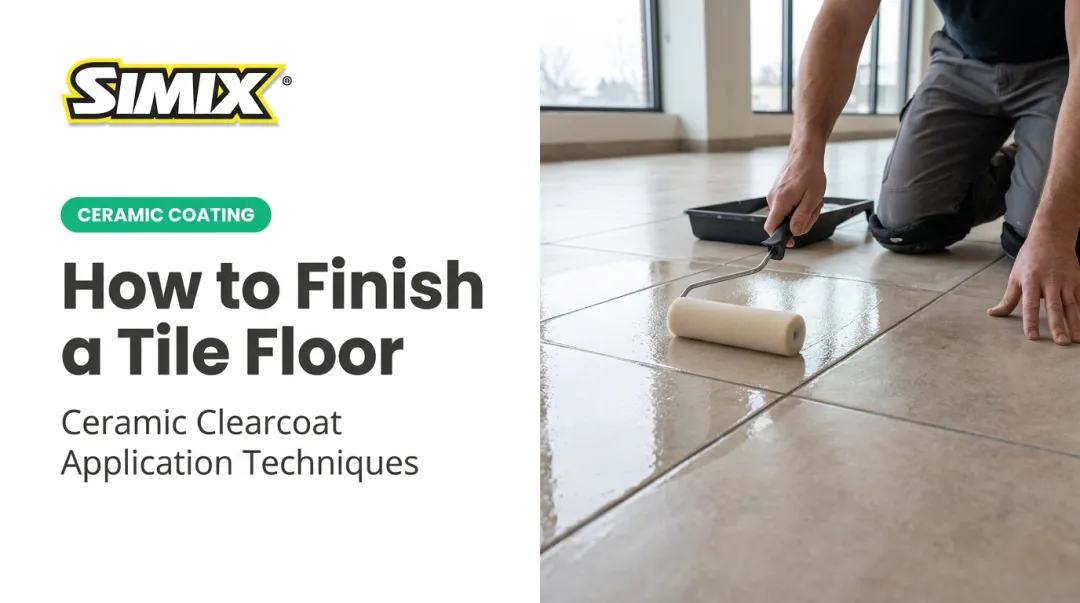
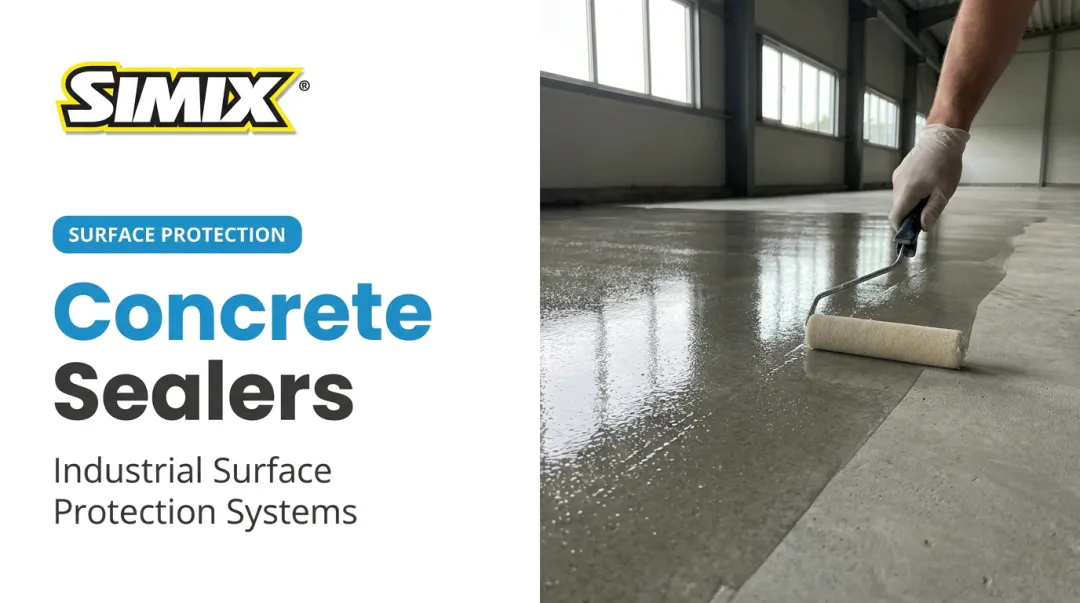
Apply the sealer evenly. Work in manageable sections using a brush, roller, or sprayer suited to the product. Pooling or uneven coverage creates blotchy patches later.
Remove excess sealer within the dwell time. Product left to dry on the surface causes hazy, patchy residue that's hard to fix once it sets.
Allow proper curing time. Follow the manufacturer's cure window before allowing foot traffic or water exposure, since high-use areas often need a second coat for adequate long-term protection.
Common Mistakes to Avoid
- Sealing stone that isn't completely dry
- Using one universal sealer for every room and exposure type
- Leaving excess product to dry on the surface instead of wiping it off in time
Maintaining, Cleaning & Resealing Sealed Limestone Floors
A sealed floor still needs consistent care. Sweep or vacuum regularly to remove grit before it scratches the surface, then mop with a pH-neutral stone cleaner.
Avoid these cleaners entirely:
- Vinegar and citrus-based products, which etch calcareous stone on contact
- Bleach and ammonia-based cleaners, which can degrade some sealers or damage certain finishes
- Abrasive powders and steel wool, which scratch honed or polished surfaces permanently
When to Reseal
There's no single universal timeline. Manufacturer claims for penetrating sealers range broadly: some are rated for 1 to 5 years, others for up to 20 years under ideal conditions. The right timeline depends on traffic, exposure, and formulation.
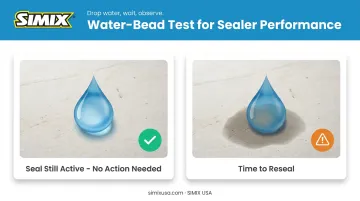
The simplest way to check is the water-bead test: drop a small amount of water onto the surface and watch what happens. If it beads up, the seal is still working, but if the water darkens the stone or soaks in, it's time to reseal.
Handling Spills and Stains
Blot spills immediately instead of wiping, since wiping spreads the liquid across a wider area. For stains that have already set into the stone, a specialist poultice or dedicated stain remover will lift what a routine cleaner can't touch.
Frequently Asked Questions
How often should I seal a limestone floor?
It depends on the product and traffic level, but many manufacturers suggest checking every 1 to 5 years. Run a water-bead test periodically; if water soaks in rather than beading, it's time to reseal.
Do limestone floors need to be sealed?
Most limestone floors benefit from sealing because the stone's porosity allows water, oil, and stains to absorb quickly. Sealing helps prevent long-term discoloration and surface damage, though absorption rates vary by stone type.
What is the best sealant for limestone floors?
Penetrating (impregnating) sealers are generally the best choice. They protect from within the stone's pores while preserving its natural look and allowing moisture vapor to escape.
Can I seal limestone floors myself?
Yes, for small residential areas, DIY sealing works well if you follow proper cleaning, application, and curing steps carefully. Larger or commercial floors are better handled by a professional applicator.
What happens if a limestone floor isn't sealed?
Without a sealer, limestone absorbs spills almost immediately, leading to permanent staining, uneven wear patterns, and a shorter usable lifespan for the floor.
Can sealed limestone still stain or etch?
Yes. Sealing reduces how fast liquids absorb into the stone, but it doesn't make limestone stain-proof or acid-proof. Clean up spills promptly, especially anything acidic.